| James Woodworth Prairie | Preserved by citizens, owned and operated by the University of Illinois at Chicago (UIC) |
Prairies evolved within a regime of frequent fire. Prescribed burning has been part of Woodoworth Management since 1972. |
|||||||||||
| Located on Milwaukee Ave in Glenview | RESEARCH | HISTORY | PLANTS and ANIMALS living in JWP | ||||||||||
| VISITOR INFORMATION | MANAGEMENT | HELPING | SCENES of Woodworth Prairie | ||||||||||
|
Cypripedium candidum, White Ladies Slipper, surrounded by Comandra umbellata, Fragaria virginica and Oxalis violacea in a recently burned section in May 2008. Photo by Dr. Albert Rouffa. |
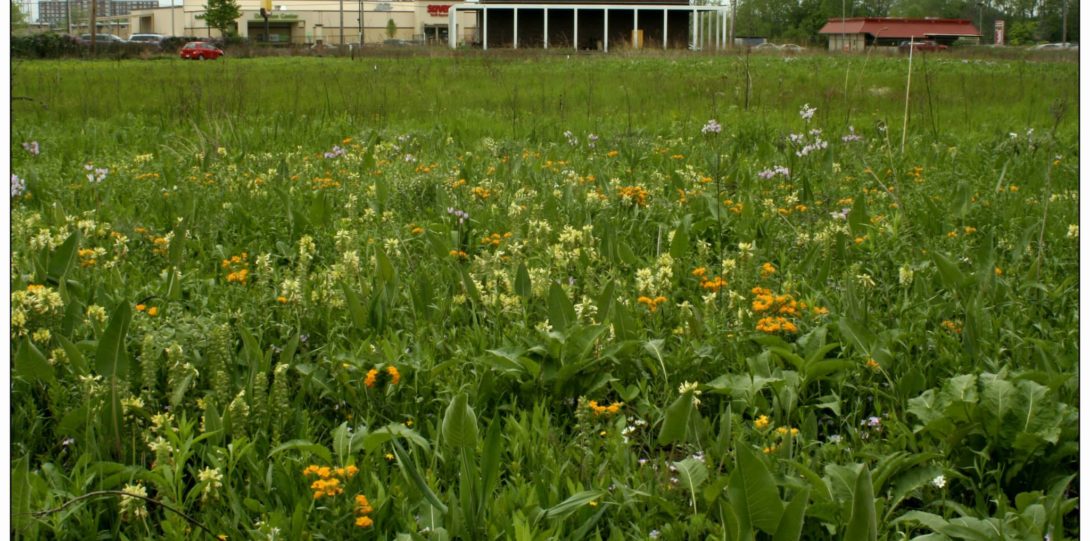
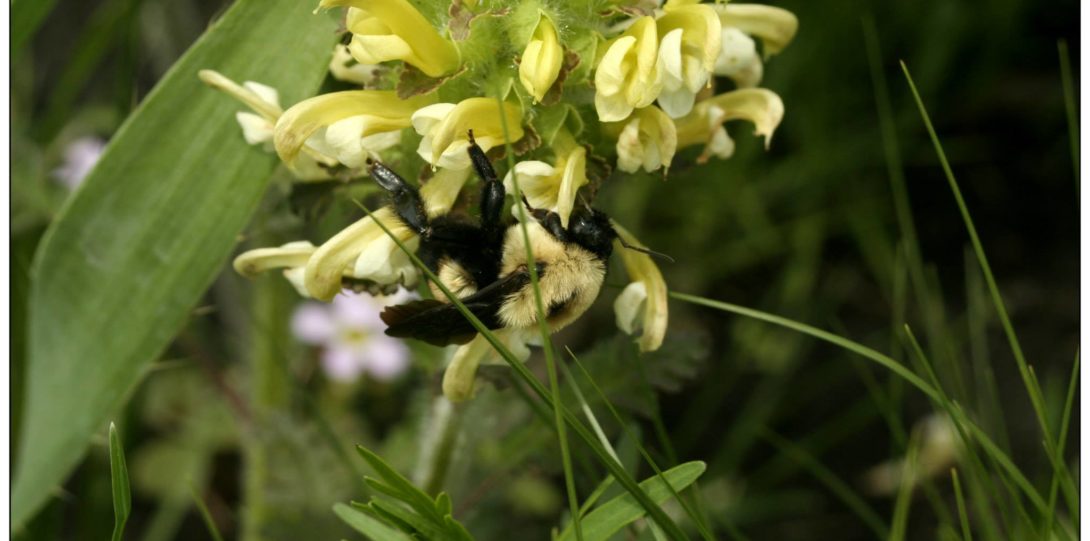
The James Woodworth Prairie (JWP) is a 2 hectare (~5 acre) remnant of a black-soil, tallgrass prairie owned and managed by UIC. It is referred to as an original prairie, because it was never plowed or otherwise heavily impacted by humans. The Illinois Natural Area Inventory reported that 70% of James Woodworth Prairie is Grade A mesic prairie, (e.g., image to left). Over 140 plant species native to Illinois prairie are found on this small remnant. The prairie is also home to prairie animals, including the rare cicada, Okanagana balli. | ||||||||||||
What is a PRAIRIE? Mesic black soil tallgrass prairie is only one of many natural communities that existed in the Chicago region. Our rich natural area heritage includes forest, woodlands, savannas, prairies, marshes, bogs and fens on both coarse (sand) and fine (black) soil major soil classes and various levels of wetness. |
|||||||||||||
| The James Woodworth Prairie Mission Our mission is to maintain populations of native prairie plants and invertebrate animals with abundances as close as possible to those prior to agriculture, so researchers and interested citizens have a place to study and enjoy what pre-settlement prairie was like. Research has been done or is planned on 1) the role of animals in building soil, 2) reverse fertilization to reduce the impact of atmospheric nitrogen deposition, 3) the reason remnant prairies are so much shorter than restorations, 4) identifcation of plants without collecting specimens, and 5) population dynamics of insect species. Management activities focus on 1) processes (fire and water), 2) the elimination of non-native species, 3) enhancing abundance of autocthonous species with small population sizes, and 4) controlling overabundant native species. Woodworth also plays a role in educating citizens about Illinois prairie. |
May 2008 |
||||||||||||
|
|||||||||||||