Now Hiring: Naturalists Heading link
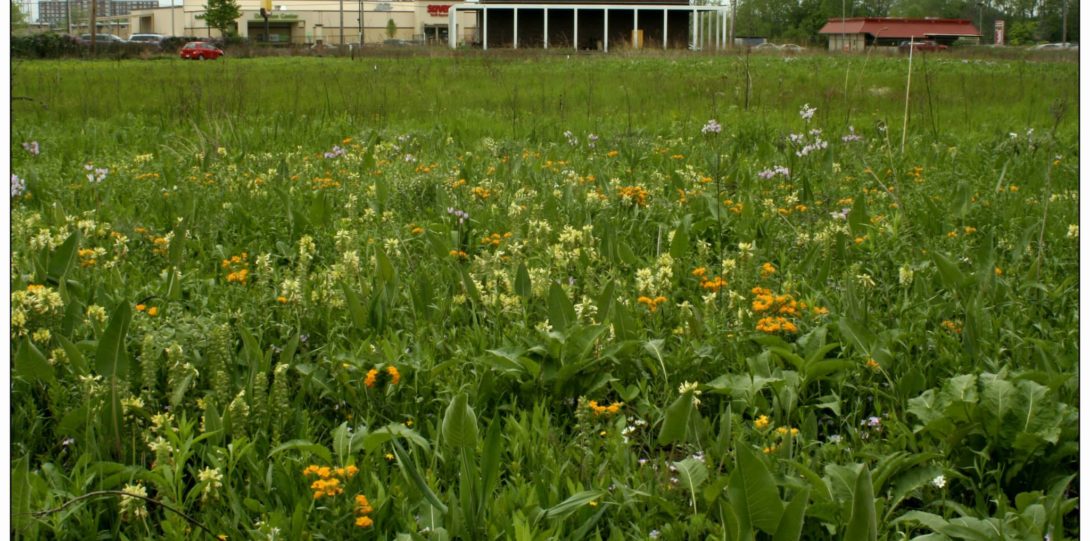
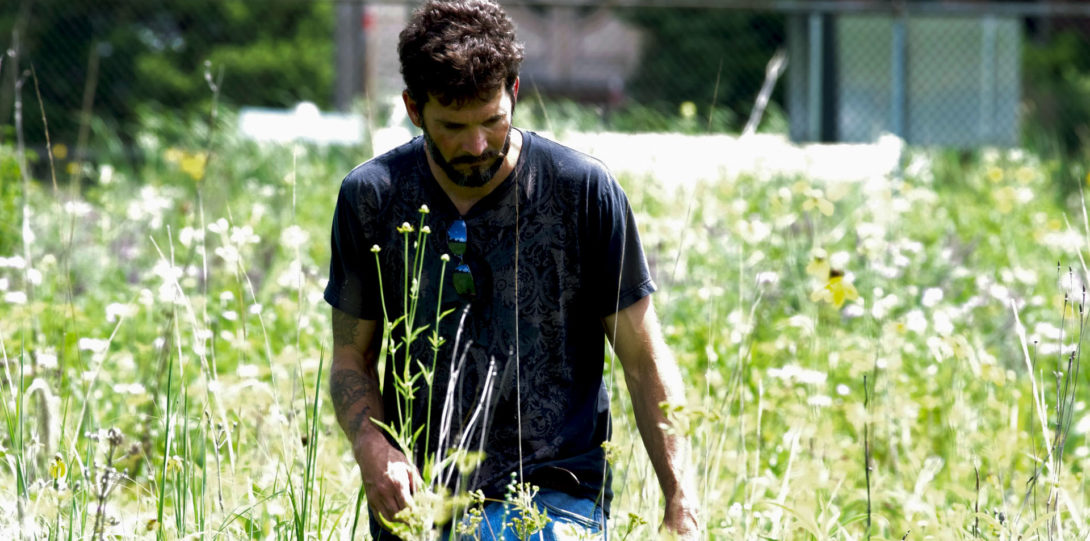
The James Woodworth Prairie is hiring naturalists for 10 hours a week. Interested parties should have access to good transportation and have an interest in natural history. Work starts in April. Please send a resume to Alan Molumby at molumby@uic.edu by April 1st.
Welcome to the James Woodworth Prairie Heading link
What is a PRAIRIE? A prairie is a close-to-treeless grassland with native plants found in North America. Grasslands with native vegetation on other continents go by other names (steppe, pampas, veldt). The ‘sea of grass’ and endless horizon associated with prairies by pioneers is no longer found in Illinois. Some large prairies still exist in Kansas, Nebraska and Oklahoma. Prairies are rare in the ‘Prairie State’. Most Illinois prairies were destroyed by the plow, but even those that were not rarely maintain presettlement plant communities because the suppression of fire has resulted in encroachment by woody plants. Treeless areas that are not dominated by native prairie plants are more appropriately called old fields.