Department of Microbiology and Immunology Heading link
The department of Microbiology and Immunology serves as the center of basic research and training in infectious disease, host-pathogen interactions and immunology at UIC. The mission of the Department of Microbiology and Immunology is to carry out outstanding research on the biology, transmission and pathogenesis of viruses and bacteria, as well as on the fundamental immune mechanisms that contribute to both health and disease.
There are currently seventeen faculty members within the department who study diverse biological questions, ranging from autoimmunity, cell death in the immune system and the selection of immune repertoire, emerging and persistent bacterial and viral pathogens, the role of the microbiome in disease, and the development of anti-viral, anti-bacterial and anti-cancer therapeutics and vaccines, using state-of-the-art approaches. This includes research on important human pathogens such as Salmonella, Acinetobacter, Staphylococcus, HIV, influenza, herpesviruses and emerging viruses like SARS-CoV-2, dengue virus, West Nile virus, Zika virus, Nippah virus and New World arenaviruses. The department has a BSL3/ABSL3 facility that facilitates the study of many of these emerging pathogens.
In addition to research, our department affords an excellent opportunity to students and postdoctoral researchers to obtain a quality education in microbiology and immunology, including both in-depth training in specific research areas as well as a breadth of knowledge to fully prepare them for a lifelong career in science. Our department is the anchor of the Microbiology, Immunology and Inflammation (MII) concentration in the Graduate Education in bioMedical Sciences (GEMS) PhD program. We provide students and postdocs with a multidisciplinary and integrated approach to biological research and offer the opportunity to choose from a wide variety of research projects- from fundamental aspects of immune regulation to the understanding of microbial and viral pathogenesis. We have a vibrant seminar program that brings in experts from around the world and we provide our trainees with a supportive environment that includes guidance in preparing research presentations, writing of scientific papers and grants, as well as career preparation. Our mission is to provide training to the next generation of scientists in immunology and infectious disease.
News & Seminars Heading link
Seminar - Charles M. Rice, PhD, Rockefeller University : A cure for hepatitis C, now what?
Research in Progress - Jon Toriumi & Siddhartha Sengupta
Research in Progress - J Harris & Geetanjali
Research in Progress - Andrew Albers & Kanchan Jaswal
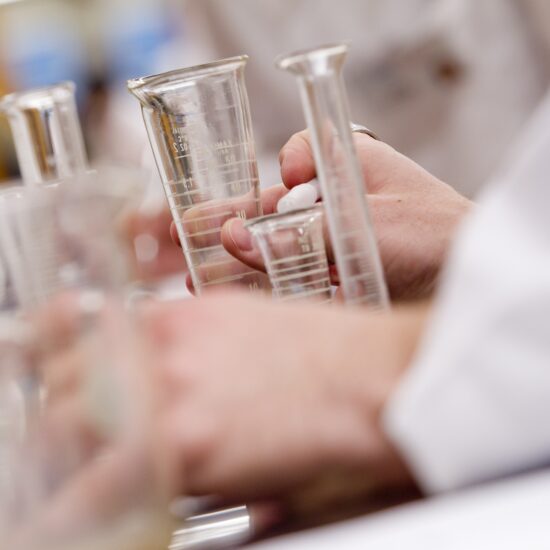
The Graduate Education in BioMedical Sciences Program Heading link
Also known as GEMS, is a pipeline program to a variety of departmental biomedical programs within the UI College of Medicine, includding Microbiology and Immunology.
GEMS comprises six research concentrations within the UI College of Medicine. These concentrations are the foundation of our interdisciplinary culture, affording students the opportunity to tailor their graduate education through the availability of an entire network of faculty, labs, and cutting-edge technology to pursue their research.