Our focuses
Transnationalism ÷ Migration ÷ Asylum ÷ Deportation ÷ Remittances
Chicana/Latina Feminist Thought ÷ Latina Popular Feminism(s) ÷ Latinx Soundscapes ÷ Intersectionality ÷ Precarity
Gender ÷ Women of Color Feminisms ÷ Latinx Youth Studies ÷ Education
Violence ÷ Displacement ÷ Criminal Governance
Poetry ÷ Poetic Writing ÷ Creative Human Expression
Latinx Health ÷ Sexuality ÷ Gender Equality
Political thought ÷ Diaspora ÷ Youth Political Engagement ÷ Democratization
Critical Thought ÷ Democracy ÷ The State ÷ Rhetorical Practices ÷ Indigeneity ÷ Environment ÷ Disaster Theory
Colonialism/Postcolonialism ÷ Native Methods ÷ Aztec Culture ÷ Nahuatl
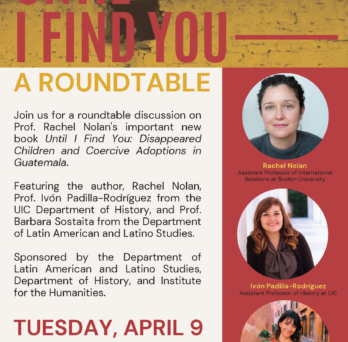
LALS News & Events Heading link
Jan
8
2024

LALS Study Hall
1/8/24, 10:00 am–5/3/24, 3:00 pm
1550 UH
Apr
26
2024
LALS Degree Celebration
Friday, 5:00 pm–9:00 pm
18th Street Casa de Cultura
LALS Heading link
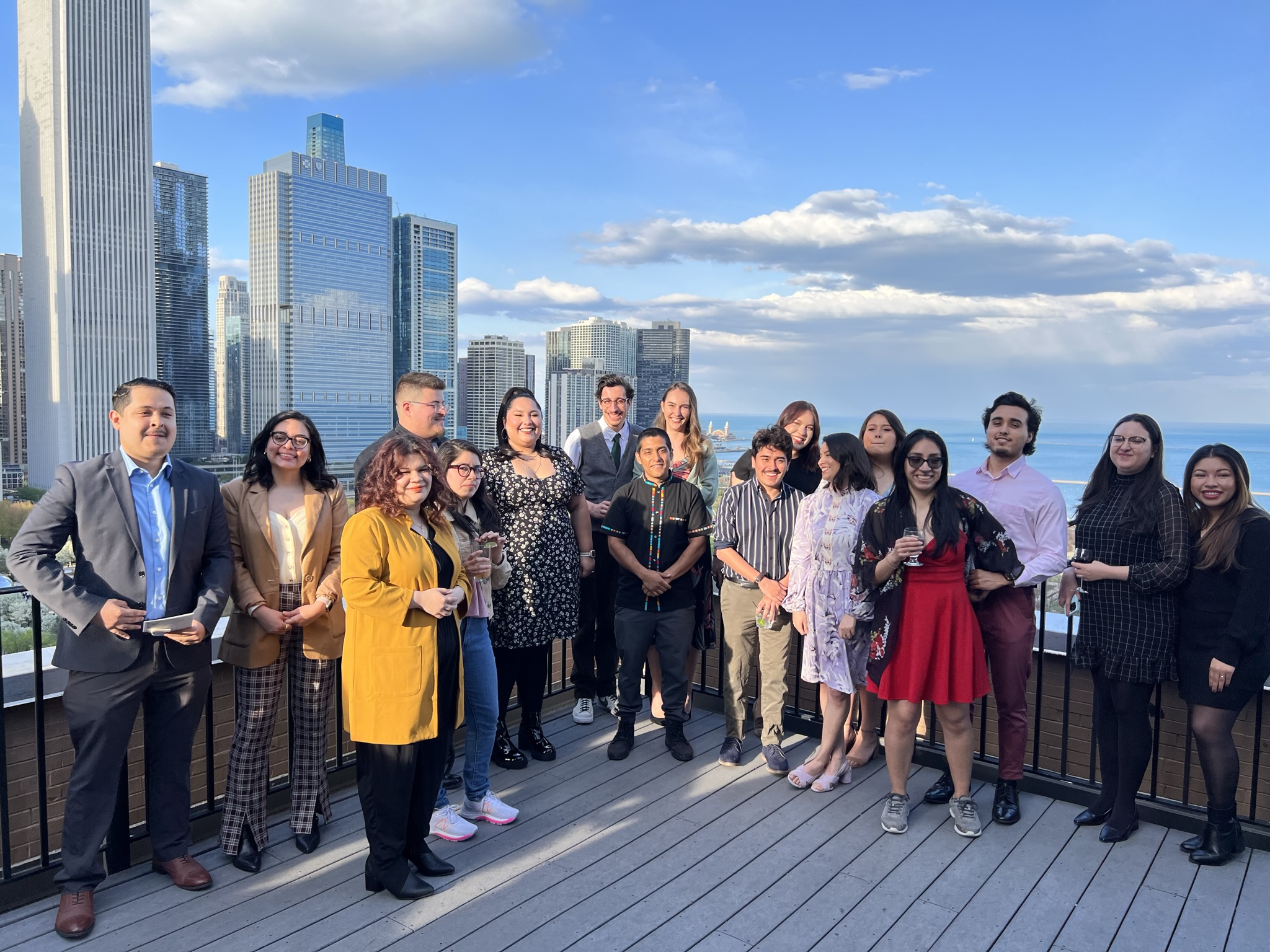
The Department of Latin American and Latino Studies (LALS) is a vibrant interdisciplinary unit devoted to cutting-edge research, teaching, and community engagement focused on Latina/o and Latin American populations.