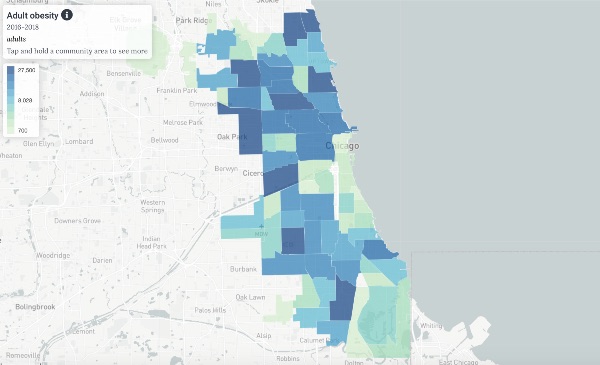
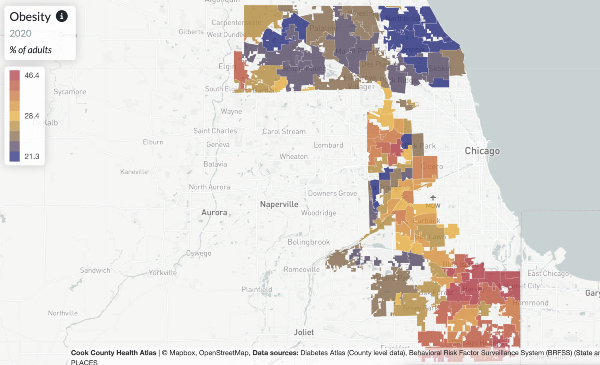
Understanding the geographic components of the census is crucial when we are using census data. Since many of our planning and programming decisions are based on political or legal definitions of a region or area, we need to be aware of the geography by which census data is reported. For example one can estimate population denominators for city-based data (a political area) using the census but in order to examine the city by smaller geographic areas statistical area data must be examined (e.g., block, census tracts, etc.). Political and statistical areas are not subsets of each other. Although a large city may be composed of multiple census tracts, tracts near the city borders would overlap those borders. Special algorithms must be developed when attempting to combine data from political and statistical areas.
One area of geography not considered census geography are postal codes or zip codes. The Census Bureau does report data in STF3 by zip code but does not collect data by this geographic level. In addition zip code level data is reported at least a couple of years post release of other censes data.
Following is a description of the political and the statistical areas as defined by the Census Bureau.
Political areas include:
- The United States
- Individual states, the District of Columbia, Puerto Rico, the Virgin Islands of the United States, Guam, the Commonwealth of the Northern Mariana Islands, American Samoa, and Palau
- Congressional districts
- Counties
- Minor civil divisions, (MCDs) i.e., legal subdivisions of counties, called townships in many states
- Incorporated places, e.g., cities, villages, and so forth
- American Indian reservations and associated trust lands
- Alaska Native Regional Corporations (ANRCs)
Statistical areas include:
- Census regions and divisions: the 50 states and the District of Columbia have been grouped into four regions: Northeast, North Central, South, and West, each containing two or three divisions, e.g., New England, Middle Atlantic. There are a total of nine divisions.
- Metropolitan Statistical Areas (MSAs), formerly known as Standard Metropolitan Statistical Areas (SMSTs): Areas consisting of one or more counties, including a large population nucleus and nearby communities that have a high degree of interaction. Primary metropolitan statistical areas (PMSAs) are MSAs that make up consolidated metropolitan statistical areas (CMSAs).
- Urbanized Areas (UAs): Defined by population density, each includes a central city and the surrounding closely settled urban fringe (suburbs) that together have a population of 50,000 or more with a population density generally exceeding 1,000 per square mile.
- Urban/Rural: All persons living in urbanized area and in places of 2,500 or more population outside of UAs constitute the "urban" population; all others constitute the rural population.
- Census County Divisions: Statistical subdivisions of a county defined by the Census Bureau in cooperation with state official in 21 states where minor civil division do not exist or are nor adequate for producing subcounty statistics.
- Census Designated Places (CDPs): Densely settled population centers without legally defined corporate limits or corporate powers.
- Census Tracts: Small, locally defined statistical areas in metropolitan areas and some other counties. They generally have stable boundaries and an average population of 4,000.
- Block Numbering Areas (BNAs): Areas defined, with state assistance, for grouping and numbering blocks and reporting statistics in counties without census tracts.
- Block Groups: Groupings of census blocks within census tracts and BNAs. (These replace the enumeration districts or EDs.) for which the Census Bureau provided data for many areas of the country in the 1980 census.
- Blocks: The smallest census geographic areas, normally bounded by streets and other prominent physical features. County, MCD, and place limits also serve as block boundaries. Blocks may be as small as a typical city block bounded by four streets or as large as several square miles in rural areas. The 1990 census was the first census in which data was available by block for the entire country.
- Alaska Native Village Statistical Areas (ANVSAs): A 1990 census statistical area that delineates the settled area of each Alaska Native village (ANV). Officials of the Alaska Native Regional Corporations (business and nonprofit corporate entities) outlined the ANVSAs for the Census Bureau for the sole purpose of presenting 1990 census data.
- Tribal Designated Statistical Areas (TDSAs): Geographic areas outlined for 1990 census tabulations purposes by American Indian tribal officials of recognized tribes that do not have a recognized land area.
- Tribal Jurisdiction Statistical Areas (TJSAs): Geographic areas delineated by tribal officials in Oklahoma for the 1990 census tabulation purposes.
Census home Next